
Overview and history
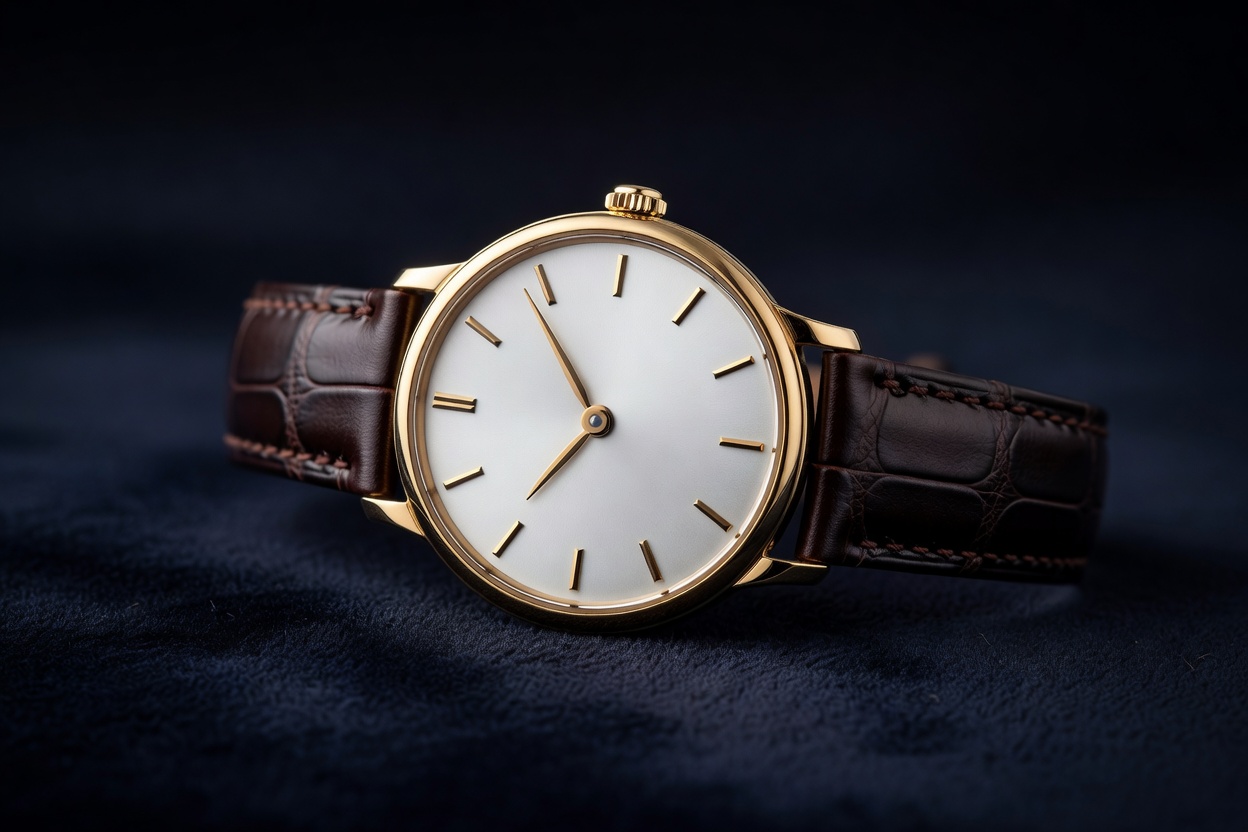
Reference 96 was introduced in 1932, the same year the Stern family took ownership of Patek Philippe. It is widely regarded as the first watch in the Calatrava line, named after the Calatrava cross that has been a Patek Philippe emblem since the late nineteenth century. The design follows the “form follows function” thinking associated with the Bauhaus movement: a round case, simple lugs, a clean dial and a small seconds sub-dial at six o'clock.
It is a manual-wind watch, powered by the Calibre 12-120 in early production. Case diameters are small by modern standards, around 31 mm, and most examples are in yellow or rose gold, with steel and platinum cases being far rarer.
Why collectors love it
- Design purity. The Ref. 96 remains one of the clearest expressions of classic dress-watch design.
- Pedigree. Patek Philippe's reputation, archives and servicing support give buyers a documented path.
- Range of dials. Breguet numerals, baton markers and mixed layouts mean no two feel alike.
What to inspect before buying
- Dial originality. A refinished dial can dramatically reduce value. Look for crisp printing and consistent aging.
- Case condition. Gold cases thin with repeated polishing. Check hallmarks, lugs and the case back.
- Archives extract. Patek Philippe offers an Extract from the Archives, which can confirm production details for many watches.
- Movement. Request a recent service by a qualified watchmaker experienced with pre-war movements.
- Strap and buckle. A period-correct strap supports originality but is easily replaced.
Pros
- Blue-chip brand and design
- Slim, comfortable on the wrist
- Archives support
- Strong long-term collector interest
Cons
- Small case size for modern tastes
- Redialled examples can mislead buyers
- Costly servicing
- High entry price
Price and market notes
Typical gold examples start at roughly US$10,000 and can reach well beyond US$40,000, with rare metals, exceptional dials and strong provenance achieving substantially more. Compare current auction results for the specific variant.