
Winding
- Manual-wind watches: wind gently at a regular time each day until you feel resistance, then stop. Never force the crown.
- Automatic watches: if they have been idle, give them a few turns of the crown to start, then wear them. Check your watch's manual or ask a watchmaker whether hand-winding is recommended for your calibre.
- Pull out or push in the crown carefully, and keep it in the correct position when setting the date, because setting the date at certain times of day can strain some calendar mechanisms.
Magnetism
Magnetic fields from phone cases, laptop speakers, tablets and bag clasps can magnetise the hairspring and make a watch run fast. If your watch suddenly gains minutes, a watchmaker can demagnetise it quickly and inexpensively. Keep watches a short distance from magnets and speakers when storing them.
Moisture and temperature
Treat vintage watches as not water resistant unless a watchmaker has recently pressure-tested them. Avoid showers, pools and humid bathrooms. Extreme heat can degrade lubricants and adhesives, so do not leave a watch in a hot car or on a sunny window sill.
Shocks and sports
Older movements are less shock-resistant than modern ones. Avoid wearing a vintage dress watch for tennis, golf or heavy manual work. Take it off before handling heavy tools.
Storage
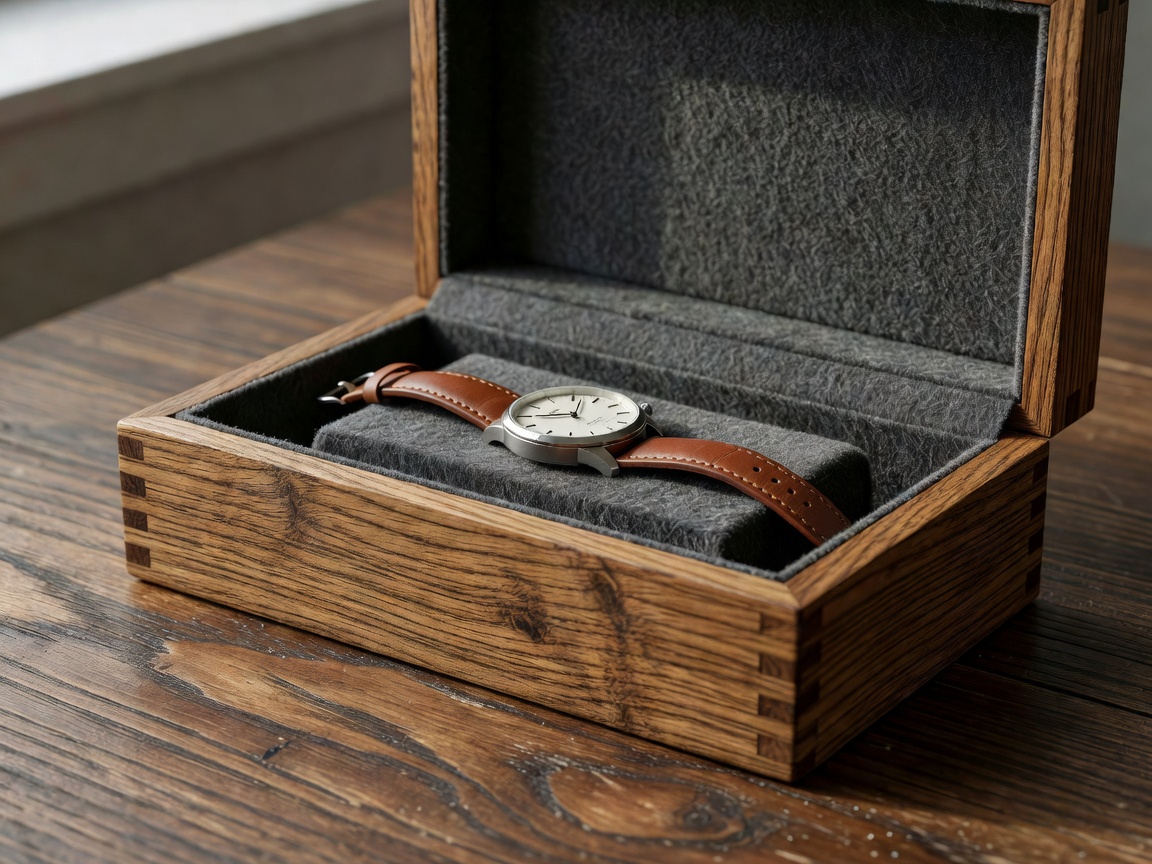
- Use a soft-lined watch box or roll in a dry, stable environment.
- Do not store watches in direct sunlight, which can fade dials and straps.
- If you rotate several watches, consider winding manual-wind pieces periodically so the oils do not sit unused for very long periods.
- Keep paperwork, service invoices and original parts together with the watch.
Straps and cleaning
Leather straps dislike moisture and wear out, so replace them when they crack. A soft dry microfibre cloth is enough for most cleaning. Avoid polishing the case yourself: repeated polishing removes metal and softens the original lines.